The Birthplace of Indian Coffee
The story of coffee in India is one of adventure, faith, and enterprise. It begins in the 17th century with a Sufi saint named Baba Budan — a name that is now forever etched into the history and geography of Chikkamagaluru. According to legend, Baba Budan undertook a pilgrimage to Mecca and, on his return journey, visited the port of Mocha in Yemen, where he discovered the exquisite flavours of coffee. Determined to share this gift with his homeland, he smuggled seven coffee beans out of Yemen — an act that was considered highly risky at the time, as the Arabs tightly controlled the coffee trade by sterilizing beans before export.
Baba Budan planted these seven precious beans on the slopes of the Chandragiri hills, which were later renamed Baba Budangiri in his honour. From these seven humble seeds, the entire Indian coffee industry was born. Today, India produces over 350,000 tonnes of coffee annually, with Karnataka accounting for nearly 70% of the country's total coffee production. The Chikkamagaluru region alone contributes a significant portion of this output, producing some of the finest Arabica and Robusta beans in the world, characterized by their low acidity, full body, and unique flavour profiles shaped by the region's elevation, climate, and soil.
The Art of Coffee Cultivation
Coffee cultivation in Chikkamagaluru is a labour of love that involves meticulous care at every stage. The region primarily grows two varieties of coffee: Arabica (Coffea arabica) and Robusta (Coffea canephora). Arabica, which accounts for about 40% of the region's coffee production, is grown at higher elevations (1,000 to 1,500 metres) and is prized for its delicate flavour, pleasant acidity, and aromatic qualities. Robusta, on the other hand, is grown at lower elevations and is known for its strong, bold flavour, higher caffeine content, and creamy body — making it ideal for espresso blends and instant coffee.
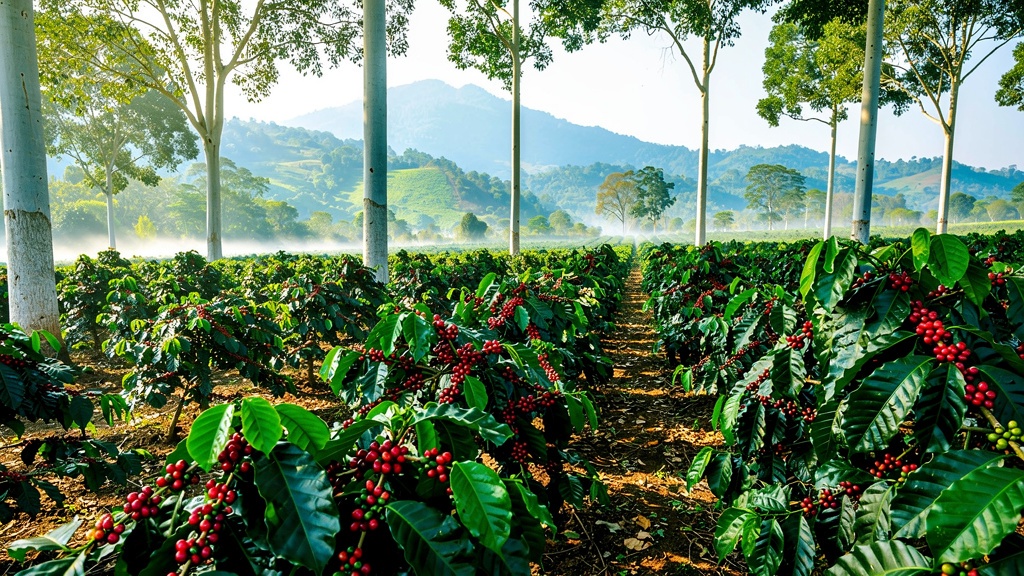
One of the most distinctive features of coffee cultivation in Chikkamagaluru is the traditional practice of shade-growing. Coffee plants are grown under a canopy of taller trees such as silver oak, jackfruit, mango, and rosewood. This shade-grown approach has multiple benefits: it protects the coffee plants from direct sunlight, creates a natural habitat for birds and beneficial insects, enriches the soil with organic matter from falling leaves, and results in coffee beans that develop flavour more slowly and evenly. The sight of coffee plants stretching in neat rows under the dappled shade of silver oak trees is one of the most iconic images of Chikkamagaluru.
The coffee-growing cycle in Chikkamagaluru follows the rhythm of the seasons. The year begins with the flowering of coffee plants in February and March, when the hillsides are covered with fragrant white blossoms that resemble a dusting of snow. The cherry formation and development take place over the following months, with the green cherries gradually turning yellow and then a deep, rich red as they ripen. The harvest season typically runs from December to February, during which time the hills are abuzz with activity as workers carefully handpick only the ripest red cherries. Each coffee cherry contains two seeds (beans), and it takes approximately 4,000 hand-picked cherries to produce just one kilogram of roasted coffee.
"Coffee is a language in itself. In Chikkamagaluru, every cup tells a story of the soil, the climate, the farmer, and the centuries of tradition that go into its making."
From Bean to Cup — The Coffee Processing Journey
Once the coffee cherries are harvested, they undergo a series of processing steps that transform them from fresh fruit into the aromatic beans that we brew. The method of processing has a significant impact on the final flavour of the coffee. In Chikkamagaluru, three main processing methods are used:
- Washed (Wet) Process: This is the most common method used for premium Arabica coffee. The freshly harvested cherries are pulped to remove the outer skin, and then the beans are fermented in water tanks for 12 to 36 hours to break down the mucilage (the sticky layer surrounding the beans). After fermentation, the beans are washed thoroughly and spread out on drying patios or raised beds to dry in the sun. Washed coffees are known for their clean, bright flavours and pronounced acidity.
- Natural (Dry) Process: In this traditional method, the whole cherries — with the skin and pulp intact — are spread out on drying patios and left to dry in the sun for several weeks. The cherries are regularly turned to ensure even drying and prevent mould. Once the cherries are completely dry, the outer layers are removed mechanically. Natural-processed coffees are known for their heavy body, low acidity, and intense, fruity flavours.
- Honey (Pulped Natural) Process: This hybrid method involves removing the skin of the cherry but leaving some or all of the mucilage on the bean during drying. The beans are then dried on raised beds, with the mucilage caramelizing around the bean and imparting unique flavours. Honey-processed coffees offer a balance between the cleanliness of washed coffees and the fruitiness of natural-processed coffees.
After processing, the coffee beans (now called "parchment coffee") are stored for a period of rest before being sent for milling, where the parchment layer is removed to produce "green coffee." The green beans are then graded, sorted, and packed for export or sent to local roasters. Roasting is where the true magic happens — the green beans are heated at controlled temperatures, causing complex chemical reactions that develop the aroma, flavour, and colour that we associate with coffee. The degree of roasting — from light to medium to dark — dramatically affects the final taste of the coffee.
Coffee Estate Tours — An Immersive Experience
A visit to Chikkamagaluru is incomplete without experiencing a guided tour of a working coffee estate. Many plantations open their doors to visitors, offering an immersive experience that covers every aspect of coffee cultivation and processing. A typical estate tour begins with a walk through the plantation, where the guide explains the different varieties of coffee grown, the shade management system, and the sustainable farming practices that have been passed down through generations. You will see coffee plants at various stages of growth, learn about the pests and diseases that affect coffee, and understand the intricate ecosystem that supports coffee cultivation.
The tour then moves to the processing facility, where you can witness the journey of coffee cherries from pulping to drying. Depending on the season, you may see workers sorting cherries, operating the pulping machine, or spreading beans on drying patios. Many estates also have a small museum or display area with vintage coffee equipment, photographs, and artefacts that tell the story of the estate's history. The tour typically concludes with a coffee-tasting session, where you can sample different roasts and blends while learning to appreciate the subtle differences in flavour, aroma, body, and acidity that distinguish one coffee from another.
Some of the most popular coffee estates that offer tours include the Kelagur Coffee Estate, the historic heritage bungalow estates in the Mudigere and Aldur regions, and various boutique plantations near Kemmannugundi. Many homestays and resorts located within coffee estates include the plantation tour as part of the stay package. The duration of a typical tour ranges from 1 to 3 hours, and advance booking is recommended, especially during the peak tourist season from December to March.
Top Coffee Estates to Visit in Chikkamagaluru
Chikkamagaluru is home to hundreds of coffee estates, ranging from small family-owned farms to large, well-established plantations. Here are some of the most notable estates that welcome visitors and offer memorable coffee tourism experiences:
- Kelagur Coffee Estate: Located about 20 kilometres from Chikkamagaluru town, Kelagur is one of the most well-known estates in the region. It offers comprehensive guided tours, coffee-tasting sessions, and a lovely homestay amidst the plantation.
- S.K. Estate: A historic estate near Mudigere, S.K. Estate dates back to the British colonial era and features a charming heritage bungalow. The estate offers guided plantation walks and farm-to-table dining experiences.
- Devi Estate: Located in the Aldur region, Devi Estate is a family-run plantation known for its high-quality Arabica coffee and warm hospitality. The estate tour includes visits to the processing unit and a traditional coffee-tasting session.
- Vanamala Estate: Situated in the heart of the coffee-growing belt, Vanamala Estate offers a serene retreat with plantation tours, birdwatching, and delicious Malnad cuisine.
- Zam Zam Estate: This organic coffee estate near Baba Budangiri offers a unique tour experience that combines coffee education with spiritual heritage, given its proximity to the famous Dattatreya Peetha.
The Art of Coffee Tasting
Coffee tasting, also known as "cupping," is a professional practice used by coffee buyers, roasters, and baristas to evaluate the quality and characteristics of different coffee beans. During a cupping session, participants follow a standardized process: first, the dry fragrance of the freshly ground coffee is assessed; then, hot water is poured over the grounds and the aroma is evaluated; after a few minutes, the crust of grounds is broken and the fragrance is again assessed; finally, the coffee is slurped — yes, slurped — from a spoon to aerate the liquid and spread it across the palate, allowing the taster to evaluate the flavour, acidity, body, aftertaste, and balance of the coffee.
In Chikkamagaluru, several coffee estates and specialized venues offer cupping sessions for visitors. The Coffee Museum in Chikkamagaluru town also conducts regular tasting sessions where you can sample different varieties of Indian coffee. These sessions are not just educational but also incredibly enjoyable, as they train your palate to recognize the subtle notes and nuances that make each coffee unique. You might discover notes of chocolate, caramel, nuts, fruits, or even floral undertones in a single cup of coffee — flavours that are influenced by the altitude, soil, variety, processing method, and roast profile.
Sustainability and Ethical Coffee
The coffee industry in Chikkamagaluru is increasingly embracing sustainable and ethical practices. Many estates have transitioned to organic farming, eliminating the use of synthetic pesticides and fertilizers in favour of natural alternatives like compost, vermicompost, and bio-pesticides. Shade-grown coffee cultivation, which is the traditional method in the region, is inherently more sustainable than sun-grown coffee, as it preserves biodiversity, prevents soil erosion, and provides habitat for wildlife. Several estates in the region are certified as Bird Friendly or Rainforest Alliance, reflecting their commitment to environmental stewardship.
Social sustainability is also a priority for many coffee growers. Fair trade practices ensure that coffee farmers receive a fair price for their produce, enabling them to invest in their communities and improve their quality of life. Many estates provide housing, education, and healthcare facilities for their workers and their families. As a responsible traveler, you can support these initiatives by choosing to visit and buy coffee from estates that practise ethical and sustainable farming. Look for certifications such as Fair Trade, Organic, Rainforest Alliance, and UTZ when purchasing coffee from the region.
Tips for Coffee Lovers Visiting Chikkamagaluru
- Book your coffee estate tour in advance, especially during peak season (December to March).
- Visit during the harvest season (December to February) to see the entire coffee-making process in action.
- Ask your guide about the different varieties grown on the estate and the specific processing methods used.
- Participate in a cupping session to train your palate and discover your preferred flavour profile.
- Buy freshly roasted coffee beans directly from the estate — they make the best souvenirs and gifts.
- Store your coffee beans in an airtight container away from sunlight, heat, and moisture to preserve freshness.
- Support estates that practise sustainable and ethical farming.
Why Chikkamagaluru Coffee is Special
What sets Chikkamagaluru coffee apart from other coffees around the world is the unique combination of factors that come together to create its distinctive character. The elevation of the plantations — ranging from 800 to 1,500 metres above sea level — provides the cool temperatures and diurnal variation that coffee plants thrive on. The rich, volcanic soil of the Western Ghats is packed with minerals and organic matter that nourish the coffee plants and contribute to the complexity of the beans. The traditional shade-growing practice, with a diverse canopy of native trees, slows down the ripening process and allows the coffee cherries to develop more complex sugars and flavours.
But perhaps the most important factor is the passion and expertise of the coffee growers themselves. Many of the coffee estates in Chikkamagaluru have been in the same families for generations, with knowledge and techniques passed down from parent to child. These growers take immense pride in their craft, constantly experimenting with new processing methods, roast profiles, and blending techniques to create coffees that are truly world-class. When you sip a cup of Chikkamagaluru coffee, you are tasting not just the product of the land, but also the love, dedication, and centuries of tradition that go into every single bean.